







Search Results for: Weipo Village
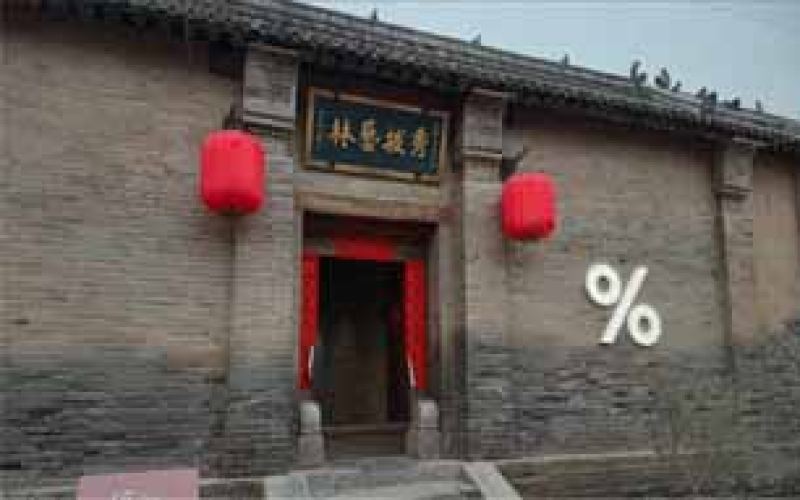
%Arabica's first Henan store opens in a Qing Dynasty ancient residence in Weipo Village, Luoyang; Spring Festival sales surge sparks controversy over quality and experience
As the Spring Festival approaches, the chain coffee brand %Arabica announced the opening of its first store in Henan, but unexpectedly, this new store did not land in a shopping mall in the provincial capital Zhengzhou, but instead established itself in a Qing Dynasty ancient residential courtyard near Weipo Village near Luoyang. The strong contrast between the ancient architecture and the modern minimalist decor quickly attracted a large number of coffee enthusiasts to drive over and visit, with foot traffic packed to capacity during the Spring Festival. However, the ensuing issues of excessively long wait times, chaotic order inside the store, and lattes not being made with latte art also sparked controversy. Some netizens pointed out that the store is actually a pop-up shop and is expected to close in May this year, suggesting that people visit during off-peak times. [more…]
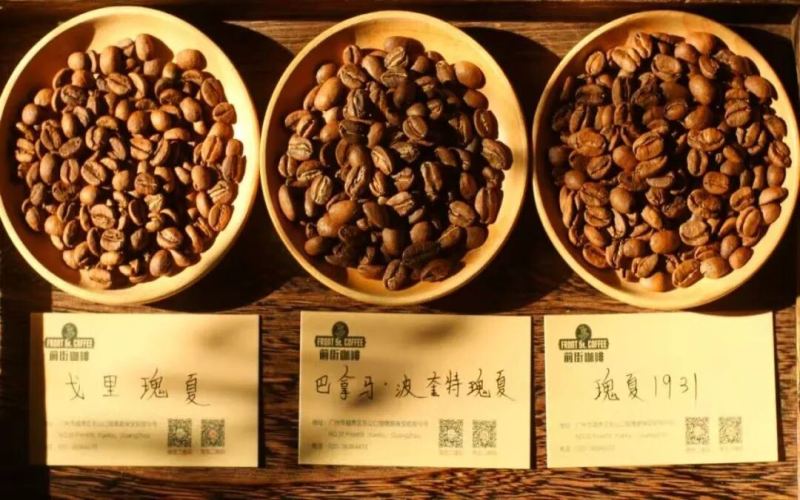
Gesha Village Coffee Grades | What Are the Differences in Flavor and Mouthfeel Between Ethiopia's Gesha Village Gold Label and Red Label Coffee?
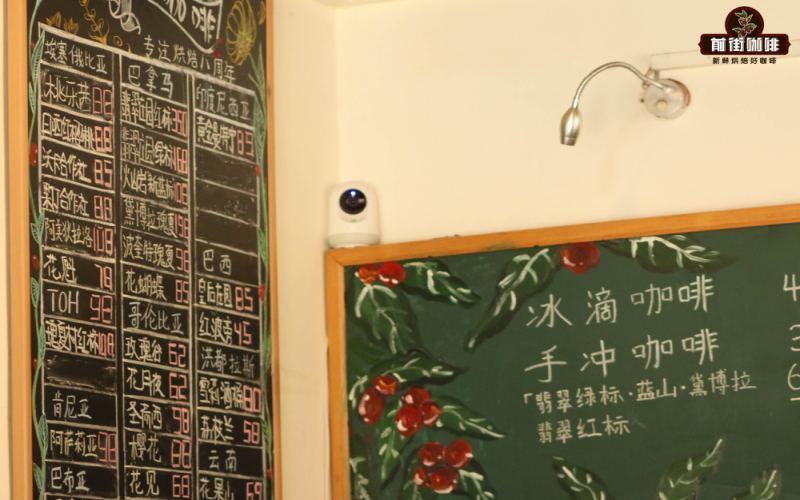
Besides Hacienda La Esmeralda's Red Label and Green Label Geisha, there is another group of somewhat well-known "labeled" Geishas on Front Street Coffee's bean menu board. These are the Gold Label Geisha and Red Label Geisha from Ethiopia's Gesha Village. Front Street Coffee has previously shared the grading system of Hacienda La Esmeralda, and has also shared about two estates. [more…]
The Origin of Ethiopia's Gesha Village Estate and Its Internal Grading System: An Analysis of the Auction, Gold, Red, Green Labels, and Chaka Lots
After Geisha coffee became popular in the specialty market, Panama's Hacienda La Esmeralda and Ethiopia's Gesha Village Coffee Estate are often confused by enthusiasts. From the perspective of Front Street Coffee, this article sorts out the founding background, estate scale, and plot management methods of Gesha Village Coffee Estate, focusing on explaining the grading logic and respective positioning of the auction, Gold Label, Red Label, Green Label, and Chaka batches, and also includes the origin information, roasting approach, cupping, and pour-over parameters of Front Street's currently available Gesha Village Red Label, Green Label, and Chaka, helping readers understand the Gesha Village system all at once. [more…]

Exploring Ethiopia's Gesha Village Estate: A Complete Analysis of Wild Geisha Gold Label, Red Label, Chaka Flavors and Grading
In the world of coffee, Geisha is undoubtedly a shining name. Most people first think of the Geisha from Panama's Hacienda La Esmeralda, which after being identified for its unique flavor in 2003, went on to win numerous green bean competitions such as the BOP. However, in Ethiopia's Bench Maji region, there is also a village likewise named Geisha, where the Geisha grown is entirely different from Panama Geisha, yet equally stunning. Front Street Coffee will take you into Gesha Village Coffee Estate, from its discovery history and estate overview, to the grading system of Gold Label, Red Label, Green Label, and Chaka batches, and then to processing methods and block divisions, comprehensively unraveling the coffee secrets of this legendary estate. Whether you want to understand the flavor differences between Gesha Village Gold Label and Red Label, or are curious about the blending charm of the Chaka batches, this article will reveal them all for you one by one. [more…]
Exploring Ethiopia's Gesha Village Estate: The Origins, Grading System, and Full Flavor Analysis of Wild Geisha
When it comes to Geisha, most people first think of that cup of floral tea with rose aromas and citrus notes from Hacienda La Esmeralda in Panama. However, in the Bench Maji region of Ethiopia, there hides another estate famous for its native wild Geisha — Gesha Village. It was founded in 2011 by documentary filmmaker Adam Overton and his photographer wife Rachel Samuel, and boasts a strict grading system and a complete flavor traceability system. This article will take you deep into the discovery journey of Gesha Village, the grading standards for the Auction/ Gold/ Red/ Green/ Chaka lots, processing details, and block divisions, along with Front Street Coffee's brewing parameters and flavor descriptions for the Gold, Red, and Chaka lots, providing coffee lovers with a comprehensive guide to Gesha Village. [more…]
A Comprehensive Analysis of Gesha Village Estate Traceability and Label Grades: Differences Between Auction, Gold, Red, Green Labels, and Chaka Lots
Geisha coffee's popularity in the specialty circle endures, but many enthusiasts easily confuse the products of Panama's Hacienda La Esmeralda with those of Ethiopia's Gesha Village. Starting from historical origins, this article traces how Gesha Village was conceived by documentary director Adam Overton and his wife Rachel Samuel in 2007 during a filming trip, and how, under Willem Boot's guidance, they found native varieties in the Gori Gesha forest of Bench Maji. The article explains in detail the estate's five-tier grading standards—Auction, Gold, Red, Green, and Chaka—along with the microclimates and variety differences of each block, and includes Front Street Coffee's comparison of the roasting and brewing flavors of three beans: Red, Green, and Chaka, helping readers understand the Gesha Village system at a glance. [more…]
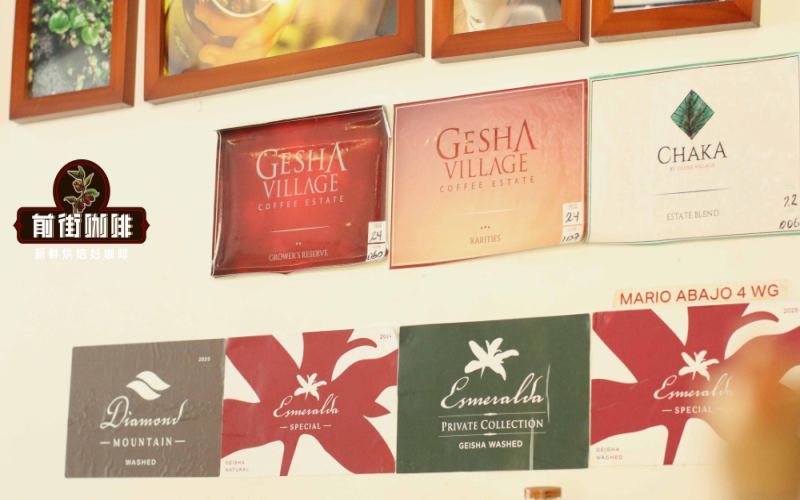
What Variety Is Geisha Coffee? A Detailed Explanation of the Two Major Grading Systems of Hacienda La Esmeralda and Gesha Village, and Front Street Coffee's Various Lots
Geisha coffee, a star variety in the specialty coffee world, has always drawn attention for its grading system. Currently, Hacienda La Esmeralda and Gesha Village Coffee Estate in Ethiopia have each established independent grading standards. Hacienda La Esmeralda divides its product lines into Red Label and Green Label; Gesha Village Coffee Estate is further subdivided into five lots: Auction, Gold Label, Red Label, Green Label, and Chaka. This article will systematically sort out the entire grading system of Gesha Village Coffee Estate, analyze one by one the flavor characteristics, production proportion, and brewing parameters of each lot, and present in full the corresponding Geisha product information from Front Street Coffee, helping coffee enthusiasts gain a comprehensive understanding of the quality-tier logic of this variety. [more…]

Gesha Village Red Label Coffee Pour-Over Method Explained: How Much Is a Cup of Ethiopian Gesha Village Red Label?
Gesha Village Red Label Gesha is one of the core lots produced by Gesha Village Estate in Ethiopia, and it is often compared with the Emerald Red Label Gesha on Front Street Coffee's bean list. This article begins with the origin story of Gesha, tracing the complete journey of this variety from the Kaffa forest to Panama and then to Gesha Village Estate, and introduces in detail the grading system of Gesha Village Estate, including the characteristics of each grade: Auction, Gold, Red, Green, and CHAKA. Front Street Coffee also presents the complete brewing parameters and three-stage extraction steps for Gesha Village Natural Red Label, for coffee lovers to refer to and compare, helping everyone brew a clean and bright African natural flavor at home. [more…]
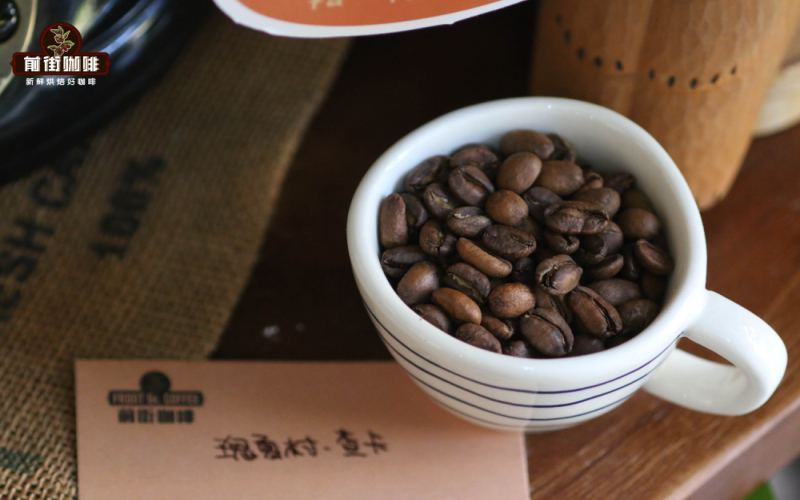
Exploring Ethiopia's Bench Maji Gesha Village: The Origin Story, Grading System, and Red Label Pour-Over Guide for Natural Geisha
Located in the Bench Maji region of Ethiopia, Gesha Village Coffee Estate is a name that has attracted much attention in today's specialty coffee circles. This large estate, covering 471 hectares, was gradually established after documentary director Adam Overton and his photographer wife Rachel Samuel conceived the idea in 2007, and in the process of searching for wild Geisha they discovered the Gori Geisha forest. Gesha Village strictly classifies its coffee beans into Auction, Gold, Red, Green, and Chaka lots to satisfy flavor pursuits at different levels. This time, Front Street Coffee has introduced a natural-process lot from Gesha Village and conducted pour-over parameter testing for the Red Label, hoping to use a medium-light roast and three-stage extraction to present the floral aroma and complex fruit notes of Geisha to the greatest extent. This article will sort out the origin of Gesha Village, its grading logic, and provide specific brewing suggestions for coffee lovers' reference. [more…]
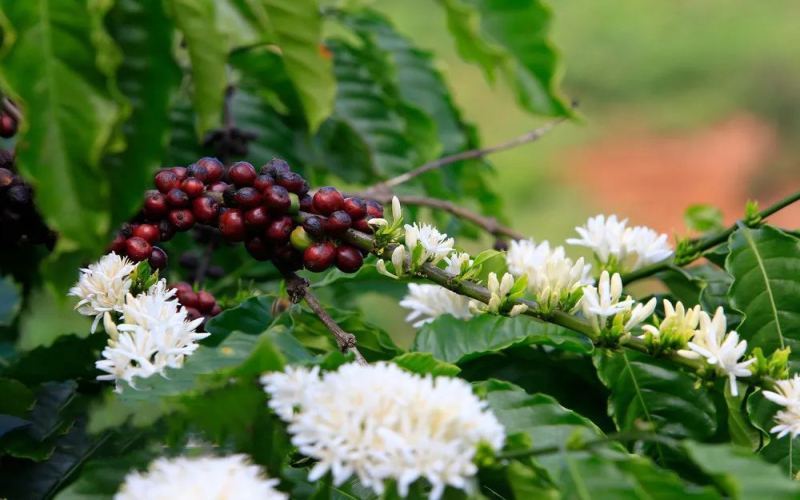
Analyzing the Three Major Varieties of Gesha Village: The Flavor Codes of Gori Gesha, Gesha 1931, and Illubabor
Since Geisha coffee shot to fame in Panama in 2004, it has firmly held the throne as the king of specialty coffee, with its price and popularity continuing to climb. Yet Geisha's roots have always lain in the primitive forests of Ethiopia. This article takes you back to Geisha's birthplace—the Gesha Village Coffee Estate in Bench Maji—to explore in depth its three core varieties: Gori Gesha, Gesha 1931, and Illubabor, and to break down the estate's unique grading system, from Auction, Gold, Red, and Green to Chaka CHAKA. Front Street Coffee will also share product information and brewing suggestions for various lots from Gesha Village, joining you in discovering the fresh citrus notes and bright acidity that African terroir bestows upon Geisha. [more…]
A Comprehensive Analysis of the Origin, Grading System, and Flavor of Ethiopian Gesha Village Gesha Coffee Beans
Geisha coffee is now world-renowned, and many people first think of Hacienda La Esmeralda in Panama, but the roots of this legendary variety actually lie in the Gesha Mountains of Ethiopia. This article will take you into Gesha Village Coffee Estate to learn about its founding story, its unique grading system (auction, gold, red, green, and Chaka lots), and the origins and characteristics of the three varieties: Gori Gesha, Gesha 1931, and Illubabor. Front Street Coffee will also share the estate information, processing methods, and flavor descriptions of its in-store Gesha Village Gold, Red, and Chaka coffee beans, along with roast analysis and pour-over parameters, for coffee lovers' reference. [more…]
Ethiopia Gesha Village Washed Heirloom Gesha Coffee Flavor Analysis: A Complete Overview of Lot#94 and the Grading System
Since Geisha stunned the world in Panama in 2004, it has remained at the pinnacle of specialty coffee. But tracing its roots, Geisha's genetics actually come from the primitive forests of Ethiopia. This article takes you back to Geisha's birthplace—the Gesha Village Estate in the Bench Maji region—to learn how this large estate recovered the original Geisha variety from the Gori Gesha forest and established a grading system of Auction, Gold, Red, Green, and CHAKA lots. The article also presents flavor descriptions of several Gesha Village lots from Front Street Coffee, along with recommended pour-over parameters for CHAKA, making it suitable reading for coffee lovers who want to gain a deeper understanding of the flavor differences among Ethiopian Geishas. [more…]
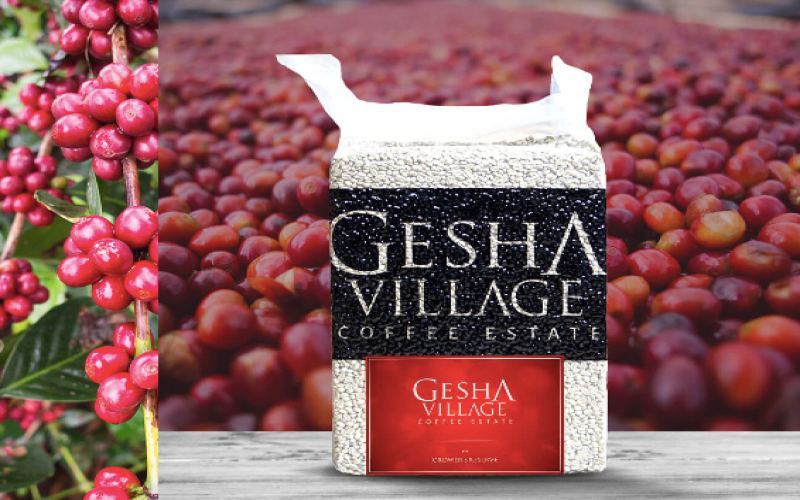
What Grade Does Red Label Geisha Belong To? Key Points for Tasting Ethiopian Geisha and a Full Breakdown of the Gesha Village Grading System
Within Gesha Village Estate, there is a strict internal grading system, from auction lots to Chaka batches, with each grade corresponding to a different share of production and quality performance. The Red Label batch, as an option that combines traceability and value for money, scores over 88 points in cupping and has the typical Gesha Village flavor profile. This article will start from the specific information of Front Street Gesha Village Red Label Natural Gesha coffee beans, outline Gesha Village's grading system, introduce the discovery history of the Gori Gesha Forest and the estate's plot management approach, and analyze the differences between the various batches, helping coffee enthusiasts understand the tier positioning and tasting direction of Red Label Gesha. [more…]
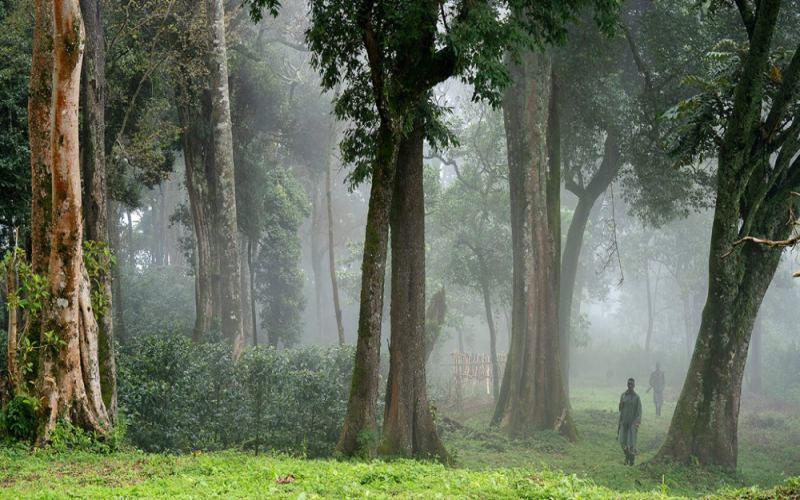
Exploring Ethiopia's Gesha Village Gold Label: What Makes This Rare Lot, Only 3.7% of Annual Production, So Unique?
Located in the Bench Maji region of Ethiopia, Gesha Village has become a focal point of great interest in the specialty coffee world in recent years. The coffee beans produced by this estate have repeatedly been selected by world-class coffee competition contestants, helping Ethiopian coffee return to its peak. Gesha Village classifies its coffee into several grades, including Auction, Gold, Red, Green, and Chaka, among which the Gold batch accounts for only about 3.7% of the estate's annual production, making it extremely rare. This article will take you deep into Gesha Village's geographical environment, the varieties and flavor characteristics of its eight blocks, its grading system, and Front Street Coffee's brewing recommendations for this season's Gold Gesha, presenting a complete guide to Gesha Village for coffee enthusiasts. [more…]
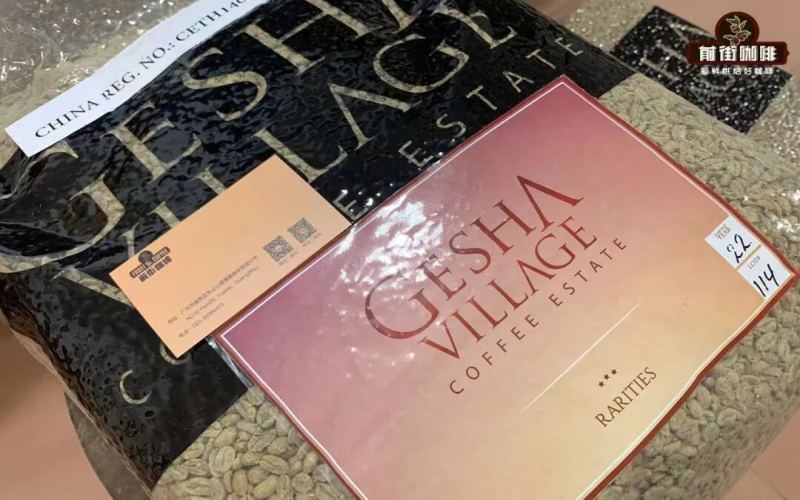
Ethiopian Geisha Coffee | What is the origin of Gesha Village? How does Gesha Village grade Geisha coffee? What are the characteristics of different grades of Geisha?
In the past, when some friends who wanted to taste Geisha coffee came to Front Street Coffee and ordered Geisha, the baristas at Front Street would carefully ask, "Do you mean Ethiopian Geisha or Panamanian Geisha?" Everyone would be confused about the difference between these two Geishas. Nowadays, the name of Panamanian Geisha [more…]

Gesha Village Estate Gesha Bean Grading: A Detailed Explanation of Auction, Gold, Red, Green, and Chaka Lots
Ethiopia's Gesha Village is one of the few estates dedicated to growing Gesha on a large scale, and its product line is divided into five grades: Auction, Gold, Red, Green, and Chaka. This article provides a detailed analysis of the flavor characteristics, production proportions, and cupping performance of each grade, and also includes Front Street Coffee's roasting and brewing parameters for each batch of Gesha, helping coffee enthusiasts gain a comprehensive understanding of Gesha Village's grading system and purchasing direction. [more…]

Pour-Over Coffee Bean Selection Guide: Tracing the Geisha Variety and Analyzing the Natural-Process Lot from Ethiopia's Gesha Village Estate
In the bean list for pour-over coffee, Geisha is always a name that cannot be avoided. This variety originated in Ethiopia, but rose to fame due to its discovery at Panama's Hacienda La Esmeralda. Today, Ethiopia's own Gesha Village Coffee Estate has also become a new focus in the specialty coffee world with its native germplasm and meticulous grading. From the perspective of Front Street Coffee, this article sorts out Geisha's migration path from the forest to the cup, compares Hacienda La Esmeralda's red, green, and blue label system with Gesha Village's grading logic of auction, gold label, red label, and Chaka lots, and explains in detail the flavor performance of Front Street's currently available Gesha Village gold label, red label, and Chaka natural Geisha, providing bean selection reference for pour-over enthusiasts. [more…]
Ethiopia Gesha Village Golden Standard Geisha: A Comprehensive Guide to Variety Origins, Grading System, and Flavor Profile
When people mention Geisha, most first think of Panama, but the variety actually originated in Ethiopia. This article focuses on Gesha Village Coffee Estate, tracing its complete journey from the discovery of wild Geisha to the establishment of the estate and the holding of international auctions. It explains in detail the five-tier grading system of Auction, Gold, Red, Green, and Chaka, and introduces the natural processing workflow. At the same time, Front Street Coffee will share the cupping performance of Gesha Village Red Label natural beans and ideas for adjusting brewing parameters, helping coffee lovers understand the flavor characteristics and extraction key points of this bean. [more…]

Comparing Product Lines from Gesha Village Estate: A Full Analysis of Flavor Differences Between Auction Lot, Gold Label, Red Label, Green Label, and Chaka
Located in Bench Maji, Ethiopia, Gesha Village Coffee Estate was established by Adam Overton after venturing deep into ancient forests to search for seeds between 2007 and 2011. The estate is internally divided into multiple product lines: Auction, Gold, Red, Green, and Chaka, each with clear differences in variety selection, production proportion, screening standards, and flavor presentation. Front Street Coffee will guide you through the three varieties grown at Gesha Village Coffee Estate—Gesha 1931, Gori Gesha, and Illubabor Forest 1974—and break down in detail the definitions and cup profiles of each product line, helping you find the Ethiopian Gesha that best suits your taste. [more…]
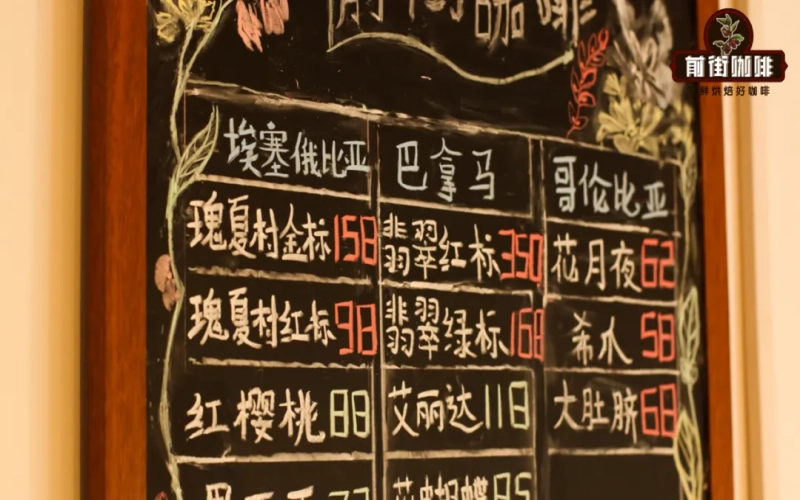
What is the difference between Gold Label and Red Label from Gesha Village? Do Gesha 1931 and Gori Gesha belong to the Gesha variety?
The Gold Label and Red Label coffees produced by Gesha Village Estate are a focal point for many enthusiasts. What exactly are the differences between these two products in terms of variety, grading, and flavor? And do the Gesha 1931 used for the Gold Label and the Gori Gesha used for the Red Label truly belong to what we commonly call Gesha? In this article, Front Street Coffee will sort out Gesha Village's grading system for you, from geographical divisions and variety tracing to cupping performance, and bring a specific brewing comparison of two natural-process lots, helping you more clearly understand the differences between these two lots. [more…]